CRM Consulting
Technology
CRM


Healthcare organizations invest heavily in CRM systems expecting to gain complete visibility into patient journeys, marketing ROI, and revenue attribution. Yet the reality often falls short. According to research from Johnny Grow, the CRM implementation failure rate sits at 55% across industries. For healthcare and life sciences teams, the stakes are higher due to regulatory complexity, data fragmentation across clinical systems, and the long sales cycles that characterize this sector. Moblize.it helps healthcare organizations overcome these challenges by building bi-directional integrations between HubSpot and Salesforce that eliminate the data gaps blocking revenue visibility.
This guide walks you through the root causes of healthcare CRM integration failures and shows you how to fix them. You will learn to identify warning signs, address compliance requirements, and build systems that give your team the attribution data needed to demonstrate marketing ROI.
Healthcare CRM integration connects your customer relationship management platform with other business systems including marketing automation tools, electronic health records, event lead capture platforms, and financial systems. The goal is to create a unified view of every patient, provider, or sponsor interaction across your organization.
For medical device companies, CROs, biotech firms, and healthcare nonprofits, this integration determines whether your marketing team can demonstrate ROI. When your HubSpot campaigns generate leads that flow into Salesforce opportunities and eventually become closed deals, you need that data connected to prove which marketing activities drove revenue.
The challenge is that healthcare systems were often built for clinical workflows, not commercial attribution. EHR data models do not map cleanly to marketing metrics. FHIR and HL7 protocols designed for patient care do not automatically share information with your CRM. This fundamental disconnect creates the integration problems that block revenue visibility.
Healthcare CRM integrations fail for predictable reasons. Understanding these failure patterns helps you avoid them or recognize when your current implementation needs attention. The issues fall into five main categories: data silos, compliance misalignment, poor user adoption, missing technical planning, and revenue visibility blockers.
The most common integration failure occurs when marketing and sales systems operate independently without sharing data. Your HubSpot instance captures website inquiries and campaign responses. Your Salesforce org tracks pipeline and closed deals. Your event lead capture tool collects conference contacts. Without proper integration, these systems create separate records for the same person.
This fragmentation means your marketing team cannot track leads through the full sales funnel. A study from Improvado estimates that 75% of healthcare data goes unused in silos, blocking unified reporting on patient acquisition and campaign ROI. When you cannot see which marketing touchpoints influenced a closed deal, you cannot optimize your spending or prove marketing value to leadership.
The problem compounds at multi-site healthcare organizations where each location may run different EHR versions, separate analytics instances, and localized CRM configurations. What appears as six core systems at the enterprise level becomes 30+ disconnected data sources when you account for per-location variations.
Healthcare CRM implementations face regulatory requirements that general business CRMs were not designed to handle. HIPAA requires Business Associate Agreements with every vendor that touches protected health information. State telehealth laws add consent requirements. Life sciences teams must navigate Sunshine Act reporting, AdvaMed guidelines, and GxP-adjacent documentation.
Integration failures happen when teams select CRM platforms without healthcare-specific compliance features, then discover mid-implementation that their architecture cannot support required access controls, audit logging, or PHI segregation. Retrofitting compliance into an existing integration is expensive and disruptive.
The compliance challenge extends to data flows between systems. Patient consent captured in one system may not transfer properly to another. Role-based permissions in your CRM may not align with clinical system access controls. These misalignments create audit risks and can result in regulatory penalties if not addressed during integration planning.
CRM systems that do not support how your teams actually work will see declining adoption regardless of how well they are integrated. Healthcare sales cycles involve HCP conversations, hospital purchasing committees, sponsor relationships, and donor cultivation processes that differ fundamentally from standard B2B transactions.
When a CRM requires your medical device rep to enter data after every interaction in a format that does not match their workflow, they will find workarounds. Notes get simplified. Fields go incomplete. Data quality degrades over time. Six months after launch, your CRM looks active from a reporting perspective but contains information that does not reflect actual field activity.
The adoption problem is often a design problem. Systems built around management reporting needs rather than rep productivity create administrative burden without providing value back to the user. Reps stop relying on the CRM because it does not help them prepare for meetings, track relationship history, or identify next steps.
Integration projects that skip detailed technical discovery often encounter problems that could have been identified early. Legacy system migrations, API authentication requirements, data model incompatibilities, and custom object mapping all require advance planning.
A common scenario involves organizations that migrated to Salesforce with help from a generalist IT consulting firm. The migration may have been technically complete but resulted in broken functionality, poor user experience, and disconnected marketing systems. Fixing these issues later costs significantly more than proper discovery at the outset.
Technical discovery should assess your current state across all relevant systems: CRM, marketing automation, event lead capture, billing, EHR connections, and any custom applications. Field mapping, workflow dependencies, and reporting requirements all need documentation before integration work begins. Without this foundation, implementation teams make assumptions that create problems during testing or post-launch.
Some integration failures only become apparent after the system launches. Marketing campaigns run, leads flow into the CRM, sales works opportunities, but attribution data does not connect properly. The marketing team cannot demonstrate which campaigns drove pipeline because the handoff between systems loses tracking information.
These revenue visibility blockers often stem from incomplete field mapping between systems. UTM parameters captured on web forms may not transfer to CRM opportunity records. Lead source data gets overwritten during deduplication. Campaign membership does not sync between marketing automation and CRM. Each gap reduces your ability to analyze marketing performance accurately.
Multi-touch attribution becomes impossible when integration issues fragment the customer journey. If you cannot connect awareness-stage touchpoints to mid-funnel engagement to closed revenue, you optimize on incomplete data. Organizations have shifted significant budget based on last-click attribution only to discover months later that the channel they cut was actually driving awareness that converted elsewhere.
Fixing healthcare CRM integration problems requires systematic attention to discovery, architecture, compliance, training, and measurement. The following sections outline a practical approach to addressing each area.
Every successful healthcare CRM integration begins with discovery that documents your current state and future requirements. This assessment should cover data models across all systems, existing workflows that must be preserved, integration points between applications, and compliance requirements specific to your regulatory environment.
Discovery is not a checkbox exercise. It requires conversations with your marketing team about campaign tracking needs, your sales team about pipeline management, your IT team about security requirements, and your compliance team about data handling obligations. Each stakeholder brings perspective that shapes integration architecture.
The output of discovery should include a detailed technical plan with short-term, mid-term, and long-term goals. This plan accounts for existing day-to-day workflows so integration work does not disrupt operations. It identifies potential conflicts between system requirements and proposes resolution approaches before they become blocking issues during implementation.
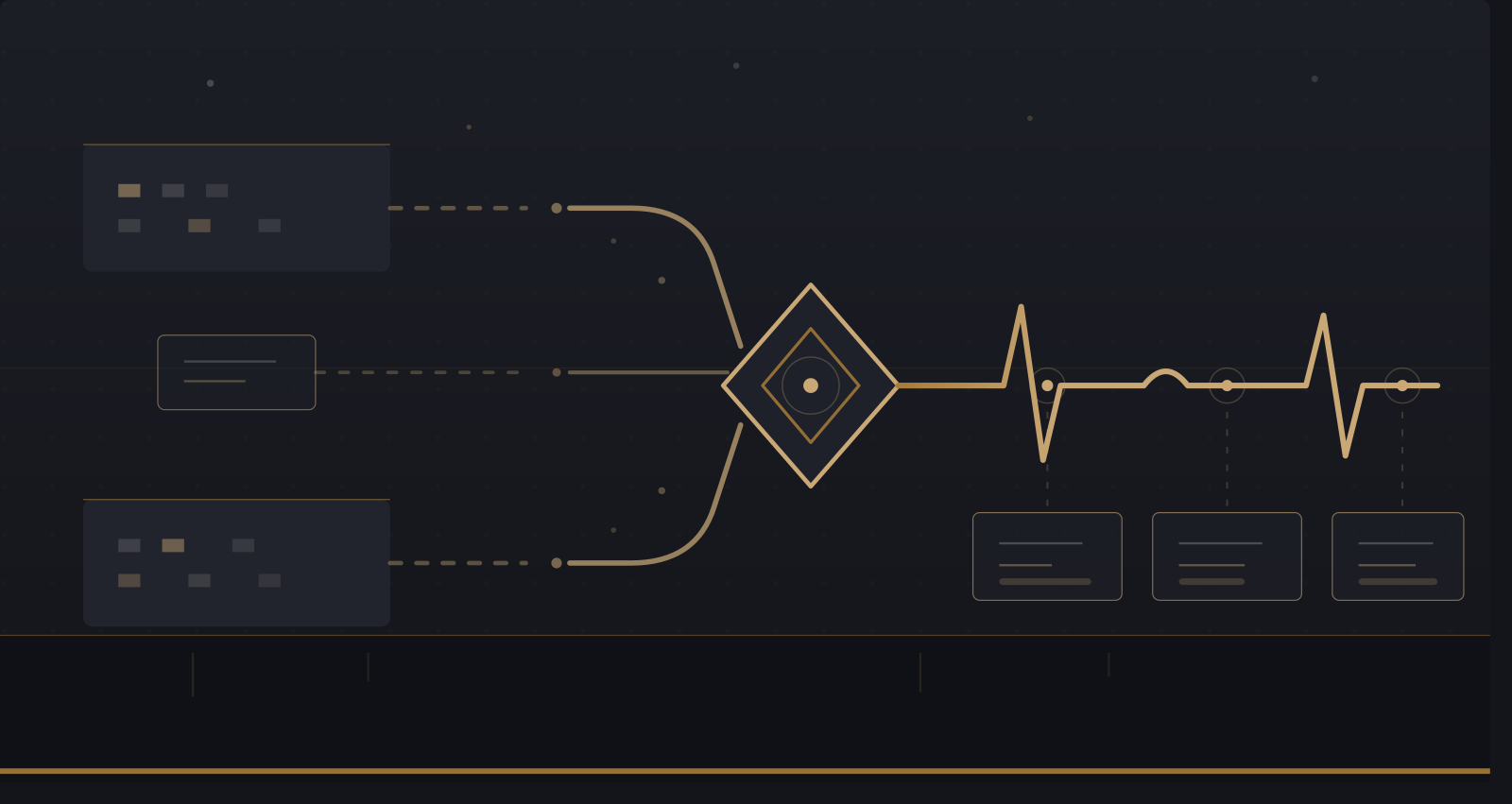
Healthcare CRM integration requires bi-directional data synchronization between your marketing platform and CRM. One-way sync creates the data gaps that block revenue attribution. When leads captured in HubSpot flow to Salesforce but opportunity data does not flow back, marketing cannot see which campaigns drove closed deals.
Bi-directional integration with custom object mapping ensures both systems reflect the same information. Lead status updates in Salesforce appear in HubSpot. Campaign engagement in HubSpot associates with opportunities in Salesforce. This two-way sync supports complex buyer journeys where multiple marketing touchpoints contribute to eventual revenue.
The technical architecture should eliminate duplicate records while maintaining data integrity across systems. Standardized lead data reduces missing fields and mis-mapped values. Automated deduplication prevents the post-event cleanup cycles that waste team time and introduce data quality issues.
Healthcare CRM integration must address compliance requirements during architecture design rather than as an afterthought. HIPAA-aware HubSpot configurations require PHI segregation and compliance posture documentation. Salesforce implementations need audit-ready access logs, role-based permissions, and data retention rules appropriate for your regulatory environment.
Consent capture and preference center architecture should align with GDPR, CCPA, and CAN-SPAM requirements if your organization operates across multiple jurisdictions. Marketing automation sequences designed for regulated, long-cycle healthcare buying processes need built-in compliance checkpoints.
Before engagement begins, you should have a remediation roadmap or compliant build scoped. This ensures everyone understands what configuration work is required and how it affects timeline and budget. Discovering compliance gaps mid-implementation creates costly delays and scope changes.
Training programs for healthcare CRM systems must address the specific workflows your teams perform daily. Generic CRM training that covers standard features without context to healthcare sales cycles will not drive adoption. Your medical device reps, CRO commercial teams, and nonprofit development officers need training tailored to their actual job functions.
Effective training connects CRM functionality to outcomes that matter to users. When reps understand how entering interaction details today helps them prepare for meetings tomorrow, they see value in the system. When marketing teams can pull reports showing campaign influence on pipeline, they become advocates for data quality.
Ongoing support matters as much as initial training. Healthcare CRM implementations benefit from managed services that handle data imports, workflow enhancements, and scaling needs over time. A long-term partner relationship ensures your integration evolves as your organization grows rather than becoming technical debt that accumulates problems.
Revenue visibility requires dashboards that display key performance indicators across your marketing and sales funnel. These dashboards should show marketing campaign performance, lead flow by source, opportunity pipeline by stage, and closed revenue attributed to marketing activities.
Moblize.it develops custom dashboards with KPIs that give marketing teams real-time insights into campaign performance and sales attribution. This transparency allows marketing to see how leads generated from conferences, webinars, landing pages, and organic traffic progress into paying customers or donors.
Dashboard development should prioritize the metrics your leadership needs to make decisions. Executive reporting that connects marketing spend to revenue outcome builds organizational confidence in your integration investment. When everyone works from the same data, budget discussions become more productive and strategic alignment improves.
Certain warning signs indicate your healthcare CRM integration has problems that require intervention. Recognizing these signals early prevents small issues from compounding into major operational challenges.
If marketing cannot produce reports connecting campaigns to closed revenue, your integration has attribution gaps. This situation often manifests as marketing presenting engagement metrics while sales presents pipeline numbers with no clear connection between them. Leadership sees two separate stories rather than one unified view of performance.
Post-conference or post-webinar data cleanup cycles that take days indicate integration problems with deduplication and field standardization. Manual processes to reconcile records across systems waste team time and introduce data quality issues. Automated integration should prevent duplicate creation rather than require cleanup after the fact.
When your field teams maintain separate spreadsheets, sticky notes, or personal tracking systems alongside the CRM, the system is not meeting their needs. Reps who do not trust CRM data for meeting preparation or customer history have already decided the system lacks value. Addressing this requires understanding what they need that the current integration does not provide.
If you cannot reliably trace how leads entered your funnel, field mapping between systems has problems. Common symptoms include all leads showing the same source, source information disappearing after sync operations, or source values that do not match your campaign taxonomy. These data losses make multi-touch attribution impossible.
Executive reporting that requires manual data pulls from multiple systems and spreadsheet assembly indicates integration gaps. Automated dashboards should refresh daily or in near-real-time. When reports require analyst assembly time measured in days, you are not getting the operational visibility your investment should provide.
Successful healthcare CRM integrations share common characteristics. Organizations that achieve lasting results invest in proper discovery, select partners with healthcare domain expertise, and treat integration as an ongoing operational capability rather than a one-time project.
The difference between implementations that deliver ROI and those that create technical debt often comes down to methodology. Healthcare and life sciences teams operate differently than SaaS or retail companies. CRM consultants who understand sponsor acquisition, HCP engagement, grateful-patient programs, and regulated commercial processes can configure systems that match actual workflows.
Moblize.it brings 18+ years of CRM experience focused on healthcare and life sciences organizations. With 35+ Salesforce certified professionals and deep expertise across both HubSpot and Salesforce, the team builds solutions configured for how your operations actually work rather than generic templates that require extensive customization.
If your healthcare CRM integration shows warning signs, a structured assessment identifies what needs to change. Start by documenting specific symptoms: which reports cannot be generated, where data quality degrades, what workarounds your teams have developed, and what compliance concerns exist.
An audit of your existing implementation examines data model alignment, workflow configuration, field mapping accuracy, and system performance. This assessment reveals whether issues stem from architecture decisions, configuration gaps, training deficiencies, or a combination of factors.
Based on audit findings, you can develop a remediation roadmap that prioritizes fixes by business impact. Some issues require configuration changes while others need architectural rework. Understanding the scope of required changes helps you budget appropriately and set realistic timelines for improvement.
Healthcare CRM integration failures block the revenue visibility your organization needs to optimize marketing spend and demonstrate ROI. Data silos, compliance gaps, poor user adoption, and missing technical planning create problems that compound over time. Addressing these issues requires healthcare-specific expertise and methodology that accounts for regulated sales cycles, complex buyer journeys, and multi-system data flows.
The organizations that achieve integration success invest in proper discovery, build bi-directional data architecture, configure HIPAA-aware systems from day one, and develop user-centered training that drives adoption. They partner with consultants who understand healthcare workflows rather than attempting to adapt generic CRM templates.
If your integration shows warning signs, addressing problems now prevents larger operational challenges later. A structured assessment identifies root causes and a remediation roadmap prioritizes fixes by business impact. With the right approach, healthcare CRM integration becomes the foundation for revenue visibility that supports strategic decision-making.
Healthcare CRM integrations face unique challenges including HIPAA compliance requirements, clinical system protocols not designed for marketing attribution, and long regulated sales cycles. Generic CRM implementations miss these healthcare-specific needs. Moblize.it addresses these challenges by building solutions configured for how healthcare and life sciences teams actually operate.
Revenue visibility problems occur when marketing and sales systems do not share data properly. Disconnected systems create duplicate records, lose lead source information, and break attribution tracking. Bi-directional integration between HubSpot and Salesforce with proper field mapping connects your full marketing-to-revenue funnel.
Timeline depends on scope and complexity. Focused integrations can complete in four to eight weeks while enterprise implementations with multiple systems and locations may require six months or longer. Moblize.it scopes projects honestly to the work actually involved, ensuring timeline expectations match actual requirements.
Look for healthcare domain expertise, certification on your platforms, and demonstrated outcomes with similar organizations. Partners should conduct thorough discovery before proposing solutions and explain what they would recommend against as well as what they endorse. Moblize.it brings 18+ years of CRM experience with deep certification across both HubSpot and Salesforce.
Most integrations can be fixed through audit, remediation, and optimization rather than complete replacement. An assessment identifies whether issues stem from architecture, configuration, or training. Targeted fixes often deliver faster results than rebuilding from scratch. The right approach depends on how fundamental the problems are and what your timeline allows.